

Faqs About Neuropathy
At San Antonio Pain Consultants, Dr. Darius Zagunis, M.D., helps patients better understand neuropathy, a condition caused by nerve damage that can lead to pain, numbness, tingling, or weakness. Learning about common questions related to neuropathy can help patients recognize symptoms early and explore available treatment options. The goal is to provide clear information so individuals can feel confident about seeking care. For more information, contact us or book an appointment online. We are located at 3903 Wiseman Blvd, Ste 117, San Antonio, TX 78251.
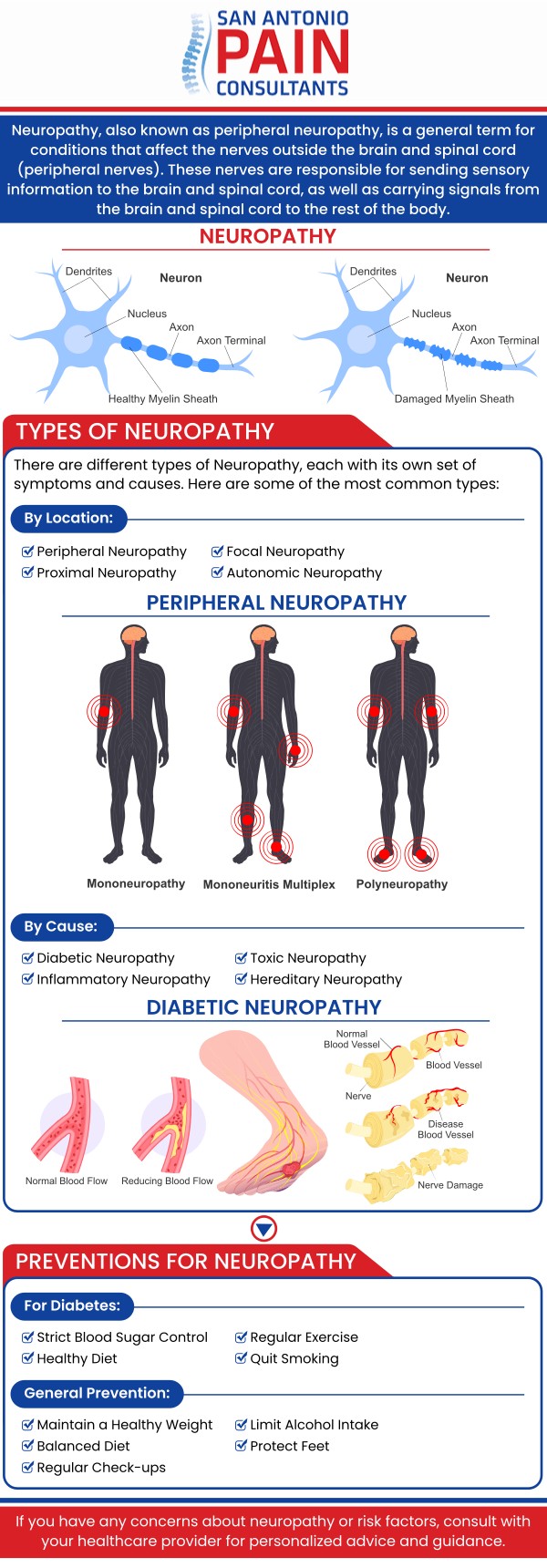
Table of Contents:
What is the difference between peripheral and central neuropathy?
Can neuropathy be reversed?
When should I see a pain specialist?
Is diabetic neuropathy reversible?
Can neuropathy go away on its own?
What lifestyle changes help manage neuropathy?
Common Questions Patients Have About Neuropathy
At San Antonio Pain Consultants, peripheral neuropathy refers to damage affecting nerves outside the brain and spinal cord, often causing symptoms like numbness, tingling, burning pain, or weakness in the hands and feet. It is commonly linked to conditions such as diabetes, injuries, or infections.
Central neuropathy, on the other hand, involves damage to the brain or spinal cord, which can affect movement, coordination, sensation, and overall nervous system function. While peripheral neuropathy usually presents with localized symptoms, central neuropathy may cause broader neurological issues. Understanding the difference helps guide diagnosis and treatment planning, allowing our team to create targeted care strategies based on the source of nerve dysfunction.
Neuropathy can sometimes improve, but whether it can be fully reversed depends on the underlying cause and how early treatment begins. At San Antonio Pain Consultants, our team focuses on identifying and addressing the root cause—such as diabetes control, nutritional deficiencies, or nerve compression—to prevent progression and promote nerve healing when possible. In some cases, symptoms may improve significantly with proper treatment and lifestyle changes, while in others, the goal is to manage pain and prevent further nerve damage. Early evaluation is important because long-standing nerve damage may be harder to reverse. A personalized treatment plan can help improve function, reduce discomfort, and support longterm nerve health
You should consider seeing a pain specialist if nerve pain persists for several weeks, worsens over time, or interferes with daily activities and quality of life. At San Antonio Pain Consultants, our team evaluates patients who experience symptoms such as persistent burning, tingling, numbness, sharp pain, or weakness that do not improve with basic treatments. Early evaluation is especially important if symptoms are progressive, affecting mobility, sleep, or function. A pain specialist can help identify the underlying cause, perform diagnostic testing, and develop a comprehensive treatment plan to manage symptoms effectively. Seeking care early can help prevent complications and improve long-term outcomes.
Diabetic neuropathy is generally not fully reversible once significant nerve damage has occurred, but its progression can often be slowed or stabilized with proper management. At San Antonio Pain Consultants, our team focuses on helping patients control blood sugar levels, reduce inflammation, and manage symptoms to improve comfort and function. Early detection and consistent diabetes management play a key role in preventing further nerve damage. While some patients may experience improvement in symptoms over time with treatment and lifestyle adjustments, the primary goal is to prevent worsening and maintain nerve health. A comprehensive care plan can help reduce pain and support daily function.
Neuropathy rarely resolves completely on its own, especially when caused by chronic conditions such as diabetes or long-term nerve damage. At San Antonio Pain Consultants, our team explains that mild neuropathy caused by temporary issues—such as minor nerve irritation or certain medications—may improve once the underlying cause is addressed. However, persistent symptoms like numbness, tingling, or burning pain usually require medical evaluation and treatment to prevent progression. Early intervention helps identify the cause and create a management plan to reduce discomfort and protect nerve function. Ignoring symptoms may allow nerve damage to worsen over time.
Lifestyle changes can play an important role in managing neuropathy and improving overall nerve health. At San Antonio Pain Consultants, our team often recommends maintaining stable blood sugar levels, following a balanced diet rich in vitamins, and engaging in regular low-impact exercise to support circulation and nerve function. Avoiding smoking and limiting alcohol intake can also help reduce nerve irritation and improve healing. Proper foot care is especially important for patients with diabetes to prevent complications. Stress management and good sleep habits may also help reduce symptom flare-ups. Combining healthy lifestyle habits with medical treatment can improve comfort and support long-term nerve health.
Neuropathy can affect different parts of the body and may develop due to various underlying causes such as diabetes, injuries, infections, or other medical conditions. Understanding how symptoms present and when to seek care can make a significant difference in managing the condition effectively. At San Antonio Pain Consultants, Dr. Darius Zagunis, M.D., provides comprehensive evaluations to identify the cause and recommend appropriate treatment options. For more information, contact us or book an appointment online. We are located at 3903 Wiseman Blvd, Ste 117, San Antonio, TX 78251. We serve patients from San Antonio TX, Leon Valley TX, Shavano Park TX, Balcones Heights TX, Fair Oaks TX, Fair Oaks Ranch TX, Castroville TX, Helotes TX, Alamo Ranch TX, and surrounding areas.
Check Out Our 5 Star Reviews



Conditions We Treat
▸ Back & Spine Pain
▸ Herniated Disc Treatment
▸ Sciatica
▸ Neck Pain
▸ Knee Pain
▸ Arthritis Pain
▸ Arm & Shoulder Pain
▸ Abdominal & Pelvic Pain
▸ Headaches & Migraines
▸ Hip Pain
▸ Neuropathy
▸ Cancer Pain


 Send Text
 How May I Help You?