

What are the Different Types of Neuropathy?
At San Antonio Pain Consultants, our board-certified Dr. Darius Zagunis, M.D., evaluates different types of neuropathy based on which nerves are affected and where symptoms appear. Neuropathy may involve peripheral nerves, autonomic nerves, motor nerves, or sensory nerves, causing symptoms such as numbness, weakness, balance problems, or burning pain. Understanding the type of neuropathy helps guide a focused treatment plan. For more information, contact us or schedule an appointment online. We are located at 3903 Wiseman Blvd, Ste 117, San Antonio, TX 78251.
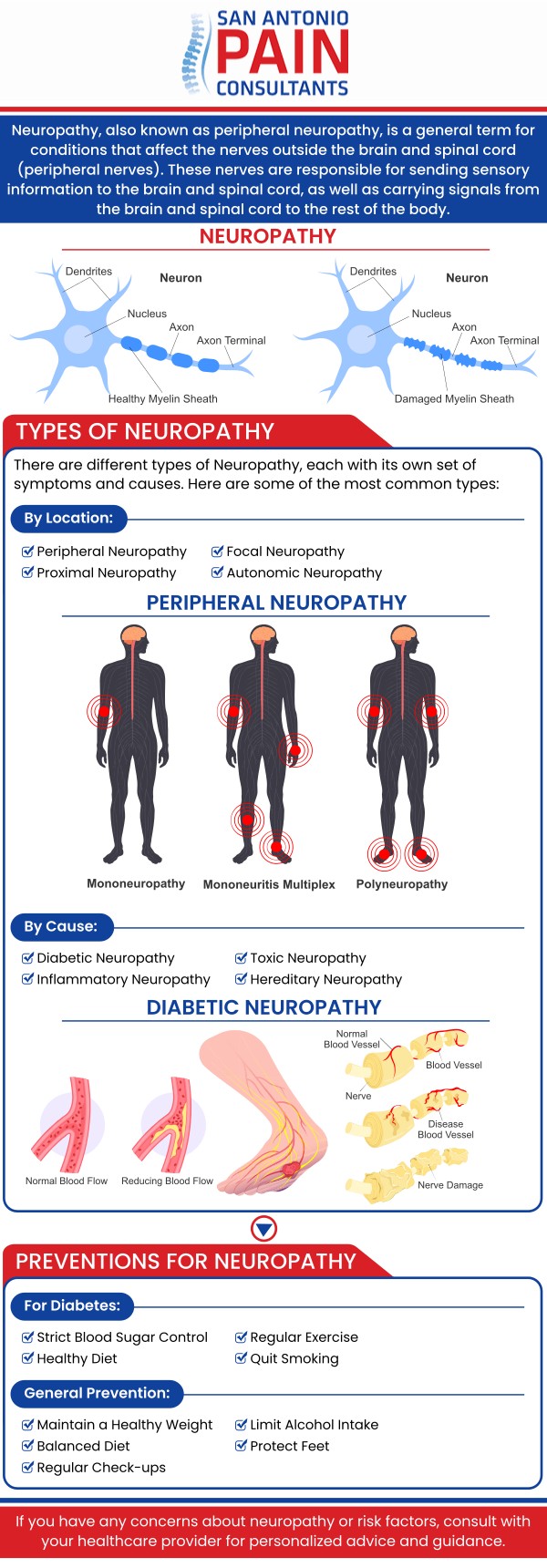
Table of Contents:
What are the different types of neuropathy?
How is peripheral neuropathy different from autonomic neuropathy?
What causes each type of neuropathy?
Can diabetic neuropathy be managed with treatment?
What is the difference between sensory and motor neuropathy?
How Does San Antonio Pain Consultants Help Patients Differentiate and Treat Various Types of Neuropathy?
Neuropathy refers to damage or dysfunction of one or more nerves, often leading to symptoms such as numbness, tingling, muscle weakness, and pain in the affected area. At San Antonio Pain Consultants, our experienced team specializes in diagnosing and managing various types of neuropathy, helping patients find relief and improve their quality of life. Neuropathy can affect different nerves in the body, and understanding the type of neuropathy helps guide effective treatment. The main types include:
● Peripheral Neuropathy: Affects the nerves outside the brain and spinal cord, often causing numbness, tingling, or burning in the hands and feet.
● Autonomic Neuropathy: Impacts the nerves that control involuntary functions, such as heart rate, digestion, bladder, and blood pressure regulation.
● Motor Neuropathy: Involves the nerves that control muscle movement, leading to weakness, cramps, or difficulty with coordination.
● Sensory Neuropathy: Primarily affects the nerves that relay sensation, resulting in pain, tingling, or loss of feeling in certain areas.
● Focal Neuropathy: Targets a single nerve or group of nerves, often causing sudden pain or weakness in a specific area, such as the wrist, thigh, or eye.
● Proximal Neuropathy (Diabetic Amyotrophy): Usually affects the thighs, hips, or buttocks, leading to muscle weakness and difficulty standing from a seated position.
● Cranial Neuropathy: Affects the nerves in the head, potentially causing vision, hearing, or facial movement issues.
● Mononeuropathy Multiplex: Occurs when two or more separate nerves in different areas are damaged, often seen in autoimmune or inflammatory conditions.
If you or a loved one is experiencing symptoms of neuropathy, trust the compassionate experts at San Antonio Pain Consultants. We are dedicated to providing state-of-the-art care to help you manage pain, improve function, and get back to living your life.
Peripheral neuropathy and autonomic neuropathy are two distinct types of nerve damage that affect the body in different ways. Peripheral neuropathy primarily involves the nerves outside the brain and spinal cord, often affecting the hands and feet. Symptoms typically include numbness, tingling, burning, or sharp pain, and may also include weakness or loss of coordination. This type of neuropathy mainly impacts sensation and movement, making it harder to perform daily activities and maintain balance.
Autonomic neuropathy, on the other hand, affects the nerves that control involuntary bodily functions. These include heart rate, blood pressure, digestion, bladder function, and sweating. People with autonomic neuropathy may experience dizziness when standing, digestive issues, abnormal heart rate, or difficulty regulating body temperature. Unlike peripheral neuropathy, autonomic neuropathy can affect multiple systems in the body and may not involve obvious pain in the limbs.
At San Antonio Pain Consultants, Dr. Darius Zagunis, M.D., and the care team evaluate types of neuropathy to create individualized treatment plans. By understanding the specific nerves affected and the symptoms presented, the clinic can tailor therapies, lifestyle recommendations, and pain management strategies to help patients improve function, reduce discomfort, and maintain quality of life.
At San Antonio Pain Consultants, we specialize in diagnosing and treating neuropathy—a condition involving damage or dysfunction of one or more nerves, often resulting in symptoms like numbness, tingling, muscle weakness, and pain.
Neuropathy can develop from a variety of underlying conditions, and the cause often depends on the type of nerves affected. Common causes for each type include:
● Peripheral Neuropathy: Often caused by diabetes, nerve injuries, infections, vitamin deficiencies (B12, B1), certain medications, alcohol use, or autoimmune diseases.
● Autonomic Neuropathy: Commonly linked to diabetes, autoimmune conditions, infections, certain cancers, or chronic illnesses that affect the autonomic nervous system.
● Motor Neuropathy: Can result from injuries, nerve compression (like carpal tunnel), infections, inherited conditions, or autoimmune disorders that affect motor nerves.
● Sensory Neuropathy: Often caused by diabetes, infections, exposure to toxins, vitamin deficiencies, or autoimmune and hereditary conditions.
● Focal Neuropathy: Usually triggered by nerve compression, trauma, repetitive motions, or sudden pressure on a single nerve or nerve group.
● Proximal Neuropathy (Diabetic Amyotrophy): Commonly occurs in people with diabetes and may be caused by nerve inflammation or blood supply issues affecting the thighs, hips, or buttocks.
● Cranial Neuropathy: Can result from infections, trauma, vascular issues, tumors, or autoimmune conditions affecting the cranial nerves.
● Mononeuropathy Multiplex: Often linked to autoimmune disorders, vasculitis, diabetes, infections, or inflammatory conditions that damage multiple separate nerves.
At San Antonio Pain Consultants, Dr. Darius Zagunis, M.D., and the team carefully evaluate the underlying causes of neuropathy for each patient. By identifying the specific type and contributing factors, the clinic can create personalized treatment plans aimed at reducing symptoms, improving nerve function, and enhancing overall quality of life.
At San Antonio Pain Consultants, we understand the challenges of living with diabetic neuropathy and are dedicated to helping our patients manage this condition effectively. Diabetic neuropathy can be managed with appropriate treatment and lifestyle strategies. While nerve damage caused by diabetes may not always be fully reversible, proper blood sugar control, regular monitoring, and symptom management can slow progression and reduce discomfort.
Early intervention is especially important to prevent complications and maintain mobility and overall health. Management often includes a combination of approaches such as physical therapy, pain management techniques, lifestyle modifications, and careful monitoring of the feet and extremities to prevent injuries. Working with healthcare providers to create a personalized plan helps patients manage symptoms, maintain function, and improve quality of life.
At San Antonio Pain Consultants, we believe in ongoing support. We regularly monitor our patients to adjust treatment plans as needed and to address any complications early on. Our goal is to significantly improve your quality of life, helping you manage symptoms and prevent further nerve damage.
Sensory neuropathy primarily affects the nerves responsible for sensing stimuli such as touch, temperature, and pain. Individuals with sensory neuropathy often experience numbness, tingling, burning sensations, or heightened sensitivity in the affected areas. These symptoms commonly occur in the hands and feet, making it difficult to detect injuries or maintain balance, and they can significantly impact daily activities.
Motor neuropathy, in contrast, affects the nerves that control voluntary muscle movement. This type of neuropathy can lead to muscle weakness, cramps, twitching, or loss of coordination. Patients may notice difficulty walking, lifting objects, or performing fine motor tasks, as motor nerve damage impairs the muscles’ ability to respond properly to signals from the brain and spinal cord.
At San Antonio Pain Consultants, Dr. Darius Zagunis, MD, evaluates both sensory and motor neuropathies to develop individualized treatment plans. By identifying which nerves are affected and understanding the severity of symptoms, our clinic can recommend therapies, physical therapy guidance, and pain management strategies to help patients improve function, reduce discomfort, and maintain a better quality of life.
At San Antonio Pain Consultants in San Antonio, TX, Dr. Darius Zagunis, M.D., and our team begin by thoroughly evaluating each patient’s symptoms, medical history, and potential underlying causes of nerve pain. This detailed assessment helps differentiate between types of neuropathy, including peripheral, autonomic, sensory, and motor neuropathies, ensuring that treatment is tailored to the specific nerves affected and the severity of the condition.
Once the type of neuropathy is identified, our clinic develops a personalized treatment plan that may include diagnostic testing, pain management strategies, physical therapy, lifestyle recommendations, and interventional procedures when appropriate. By combining targeted therapies with ongoing monitoring, San Antonio Pain Consultants helps patients manage symptoms, improve nerve function, and maintain daily comfort and mobility.
For more information, contact us or schedule an appointment online. We are located at 3903 Wiseman Blvd, Ste 117, San Antonio, TX 78251. We serve patients from San Antonio TX, Helotes TX, Alamo Ranch TX, Leon Valley TX, Shavano Park TX, Balcones Heights TX, Fair Oaks TX, Fair Oaks Ranch TX, Castroville TX, and surrounding areas.
Check Out Our 5 Star Reviews



Conditions We Treat
▸ Back & Spine Pain
▸ Herniated Disc Treatment
▸ Sciatica
▸ Neck Pain
▸ Knee Pain
▸ Arthritis Pain
▸ Arm & Shoulder Pain
▸ Abdominal & Pelvic Pain
▸ Headaches & Migraines
▸ Hip Pain
▸ Neuropathy
▸ Cancer Pain


 Send Text
 How May I Help You?