

What Causes Neuropathy
At San Antonio Pain Consultants, Dr. Darius Zagunis, M.D., helps patients understand the causes of neuropathy and how it affects nerve function. Neuropathy can result from conditions such as diabetes, nerve injuries, infections, or exposure to toxins. These factors can damage nerves and lead to symptoms like pain, numbness, and tingling. By identifying the underlying cause, targeted treatment approaches can help manage symptoms and improve overall nerve health. For more information, contact us or schedule an appointment online. We are located at 3903 Wiseman Blvd, Ste 117, San Antonio, TX 78251.
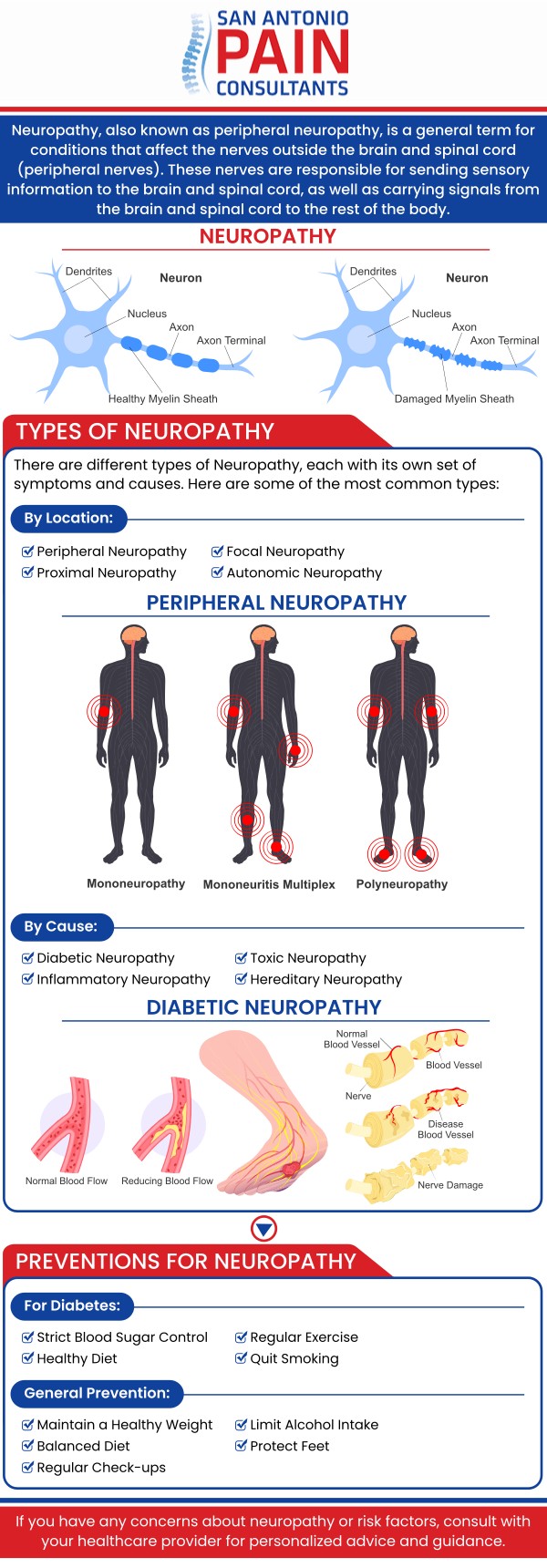
Table of Contents:
How Does Diabetes Contribute to Neuropathy?
Can Alcohol Abuse Lead to Neuropathy?
What Role Does Nerve Compression Play in Neuropathy?
Are There Genetic Factors That Contribute to Neuropathy?
How Do Vitamin Deficiencies Cause Neuropathy?
Can Autoimmune Diseases Trigger Neuropathy?
What Are the Symptoms of Neuropathy?
Can Chemotherapy Cause Neuropathy?
Is Neuropathy More Common in Older Adults?
What Is the Difference Between Peripheral and Autonomic Neuropathy?
Diabetes is one of the most common causes of neuropathy because persistently high blood sugar levels can damage nerves over time. Elevated glucose levels reduce blood flow to the small vessels that supply nerves, leading to inflammation, oxidative stress, and gradual nerve deterioration.
As nerve fibers become damaged, communication between the brain and different parts of the body is disrupted. This often leads to symptoms such as tingling, numbness, burning pain, and weakness—especially in the feet and hands.
At San Antonio Pain Consultants in San Antonio, TX, managing blood sugar levels is emphasized as a critical step in preventing or slowing diabetic neuropathy. Early detection and proper control of diabetes can significantly reduce the progression of nerve damage and improve overall outcomes.
Yes, chronic alcohol use is a well-known contributor to neuropathy. Alcohol can directly damage nerve tissue while also interfering with the body’s ability to absorb essential nutrients needed for nerve health.
Over time, excessive alcohol consumption may lead to nerve degeneration, resulting in symptoms such as numbness, pain, and muscle weakness. In many cases, alcohol-related neuropathy develops gradually, making it harder to recognize in its early stages.
At San Antonio Pain Consultants, patient history—including alcohol use—is carefully evaluated when diagnosing neuropathy. Addressing alcohol-related factors, along with symptom management, is an important part of improving nerve function and preventing further damage.
Nerve compression occurs when surrounding tissues—such as bones, muscles, or ligaments—place pressure on a nerve, disrupting its normal function. This type of neuropathy is often seen in conditions like carpal tunnel syndrome or herniated discs.
When a nerve is compressed, it may not transmit signals effectively, leading to symptoms such as tingling, pain, or weakness in the affected area. Repetitive movements, injuries, or structural issues in the spine can all contribute to nerve compression.
At San Antonio Pain Consultants, nerve-related pain caused by compression is evaluated using advanced diagnostic tools. Treatment options may include targeted therapies, minimally invasive procedures, and pain management strategies aimed at relieving pressure on the affected nerve and restoring function.
Yes, certain types of neuropathy can be inherited. Genetic conditions may affect how nerves develop, function, or repair themselves, making individuals more susceptible to nerve damage over time.
Inherited neuropathies often present gradually and may affect multiple family members. Symptoms can vary widely depending on the specific condition, but commonly include muscle weakness, sensory changes, and coordination issues.
While genetic neuropathies cannot always be prevented, early diagnosis plays an important role in managing symptoms and slowing progression. At San Antonio Pain Consultants, identifying the underlying cause—whether genetic or acquired—is essential for developing a personalized treatment plan.
Vitamins play a crucial role in maintaining healthy nerve function, particularly B vitamins such as B12. When the body lacks these essential nutrients, nerve cells may not function properly, leading to damage over time.
Vitamin deficiencies can result from poor diet, certain medical conditions, or issues with nutrient absorption. As nerve health declines, individuals may experience symptoms like numbness, tingling, or burning sensations.
At San Antonio Pain Consultants, nutritional factors are considered when evaluating neuropathy. Identifying and correcting deficiencies can help support nerve repair and improve symptoms, especially when addressed early.
Autoimmune diseases can indeed lead to neuropathy by causing the immune system to mistakenly attack healthy nerve tissue. Conditions such as lupus or rheumatoid arthritis create inflammation that damages nerves and interferes with signal transmission.
This inflammation can result in a range of symptoms, including pain, weakness, and sensory changes. In some cases, neuropathy may be one of the earliest signs of an underlying autoimmune condition.
At San Antonio Pain Consultants, collaboration with other specialists is often part of the treatment process. Managing inflammation and addressing the root autoimmune condition are key steps in preventing further nerve damage and improving quality of life.
Neuropathy symptoms can vary depending on the type of nerves affected, but common signs include numbness, tingling, burning sensations, pain, and muscle weakness. These symptoms often begin in the hands or feet and may gradually spread over time.
Some individuals may also experience sharp or stabbing pain, sensitivity to touch, or difficulty with coordination and balance. In more advanced cases, nerve damage can interfere with daily activities and mobility.
At San Antonio Pain Consultants, early recognition of these symptoms is emphasized. Prompt evaluation allows for timely treatment, which can help slow progression and improve overall function.
Yes, certain chemotherapy medications can cause neuropathy as a side effect. These drugs may damage peripheral nerves while targeting cancer cells, leading to symptoms such as numbness, tingling, or pain.
This condition, often referred to as chemotherapy-induced neuropathy, may develop during or after treatment. The severity can vary, with some individuals experiencing temporary symptoms while others may have longer-lasting effects.
At San Antonio Pain Consultants, a patient’s medical history—including cancer treatments—is carefully reviewed when diagnosing neuropathy. Treatment focuses on managing symptoms and improving quality of life through personalized care strategies.
Yes, neuropathy tends to be more common in older adults due to age-related changes in the body. As people age, the risk of conditions such as diabetes, vitamin deficiencies, and reduced circulation increases—all of which can contribute to nerve damage.
Additionally, the body’s ability to repair damaged nerves may decline with age, making older individuals more susceptible to persistent symptoms.
At San Antonio Pain Consultants, older patients are carefully evaluated to identify contributing factors and develop treatment plans that address both symptoms and underlying causes. Early intervention remains important at any age to prevent further progression.
Neuropathy is a broad term that refers to any type of nerve disorder, but it can affect different parts of the nervous system. Peripheral neuropathy specifically involves the nerves outside the brain and spinal cord, typically affecting sensation and movement in the hands and feet.
Autonomic neuropathy, on the other hand, affects nerves that control involuntary functions such as heart rate, digestion, blood pressure, and sweating. When these nerves are damaged, it can lead to issues like dizziness, digestive problems, or abnormal heart rhythms.
At San Antonio Pain Consultants in San Antonio, TX, understanding the type of neuropathy is essential for accurate diagnosis and treatment. Their team provides comprehensive evaluations to determine the affected nerve systems and develop personalized care plans aimed at improving function and quality of life.
San Antonio Pain Consultants provides comprehensive evaluations to diagnose different types of neuropathy and determine the underlying factors contributing to nerve-related symptoms. Our team reviews each patient’s condition and develops personalized treatment plans to help manage pain, numbness, tingling, and other neuropathy-related concerns.
Using advanced pain management techniques and targeted therapies, San Antonio Pain Consultants helps patients address neuropathy symptoms, improve function, and work toward better comfort and quality of life. For more information, contact us or schedule an appointment online. We are located at 3903 Wiseman Blvd, Ste 117, San Antonio, TX 78251. We serve patients from San Antonio TX, Helotes TX, Alamo Ranch TX, Leon Valley TX, Shavano Park TX, Balcones Heights TX, Fair Oaks TX, Fair Oaks Ranch TX, Castroville TX, and surrounding areas.
Check Out Our 5 Star Reviews



Conditions We Treat
▸ Back & Spine Pain
▸ Herniated Disc Treatment
▸ Sciatica
▸ Neck Pain
▸ Knee Pain
▸ Arthritis Pain
▸ Arm & Shoulder Pain
▸ Abdominal & Pelvic Pain
▸ Headaches & Migraines
▸ Hip Pain
▸ Neuropathy
▸ Cancer Pain


 Send Text
 How May I Help You?